Evaluating Technology-Related Letter D Logo Assets for Digital and Print Design
In the competitive landscape of tech branding, visual identity serves as the primary interface between a company and its audience. A Technology Related Logo Letter D represents more than just an alphabetical character; it is a strategic design element that conveys innovation, precision, and modernity. For designers, entrepreneurs, and creative professionals, accessing high-quality, vector-based assets featuring this specific letter can significantly streamline the branding process. This article evaluates the utility, technical specifications, and practical applications of such digital graphics, helping you determine if they align with your project requirements.
Understanding the Asset Specifications
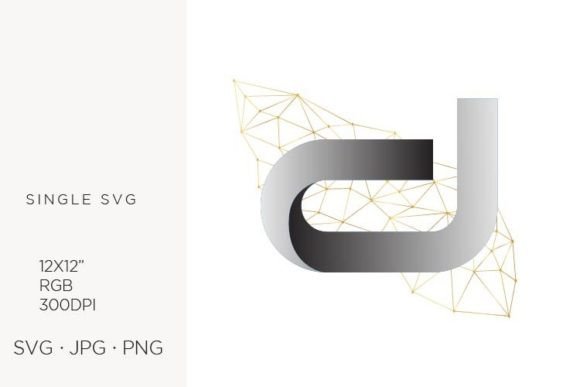
When evaluating digital design resources, technical fidelity is paramount. The assets in question are created using industry-standard vector software, specifically Adobe Illustrator. This origin ensures that the Technology Related Logo Letter D maintains crisp edges and scalable proportions regardless of the output size. The files are provided with an artboard size of 12 x 12 inches at a resolution of 300 DPI in the RGB color palette. This combination of specifications caters to both digital screens and high-quality print outputs.
The inclusion of multiple file formats—SVG, JPG, and PNG—adds substantial versatility. SVG (Scalable Vector Graphics) is ideal for web design and responsive layouts, ensuring the logo remains sharp on any device. JPG and PNG formats offer immediate usability for presentations, social media profiles, and draft mockups without requiring specialized vector editing software. Understanding these technical details is crucial for assessing whether the asset fits your workflow.
Strategic Benefits of Pre-Designed Tech Logos
One of the primary reasons professionals seek out pre-designed elements like a Technology Related Logo Letter D is efficiency. Custom logo design from scratch can be time-consuming and costly. By utilizing a professionally crafted base, designers can reduce initial development time while maintaining a high standard of aesthetic quality. These assets often incorporate common tech motifs, such as circuit board patterns, pixelated edges, or sleek, minimalist lines, which instantly communicate a technological focus.
Furthermore, these vector-based elements offer flexibility. Because they are made in a vector program, users can modify colors, adjust shapes, and integrate additional graphical elements without losing image quality. This adaptability allows for a semi-custom approach, where the core structure of the letter D remains intact, but the surrounding details are tailored to match specific brand guidelines.
Practical Applications Across Industries
The utility of these digital graphics extends far beyond corporate branding. While the primary use case is logo design for tech startups, software firms, or IT consultancies, the applications are diverse. Here are several scenarios where these assets prove valuable:
- Graphic and Web Design: Use the SVG files to create favicon icons, header logos, or app icons that require scalability and transparency.
- Stationery and Printed Paper Items: The 300 DPI resolution ensures that business cards, letterheads, and brochures print with professional clarity.
- Handmade Craft Items and Jewelry: Crafters can use the designs for laser cutting, vinyl decals, or engraving on metal and wood, creating unique tech-themed accessories.
- Event Decor and Invitations: For tech conferences, hackathons, or launch parties, these graphics can be adapted for banners, invitations, and party decor, providing a cohesive visual theme.
- Wall Art and Home Decor: The geometric nature of tech-inspired typography makes it suitable for modern interior design, including framed prints and canvas art.
This breadth of application makes the asset a cost-effective resource for freelancers who manage multiple client types or for hobbyists looking to create personalized tech-themed gifts.
Considerations and Tradeoffs
While pre-designed assets offer convenience, there are tradeoffs to consider. The most significant limitation is exclusivity. Since these files are available for purchase or download, other entities may use similar designs. For a large corporation seeking a completely unique brand identity, a custom-designed logo from a professional agency may still be necessary to avoid any potential brand confusion or trademark issues.
Additionally, users must possess basic design skills to effectively customize these templates. While the files are ready to use, achieving a polished final product often requires knowledge of color theory, typography pairing, and layout balance. Those unfamiliar with Adobe Illustrator or similar tools may find the vector editing process challenging, although the included raster formats (JPG, PNG) mitigate this barrier for simple use cases.
When to Choose This Solution
A Technology Related Logo Letter D is a strong fit for small businesses, startups, and solo entrepreneurs operating under budget constraints. It is also ideal for projects with tight deadlines where custom design cycles are not feasible. If your goal is to establish a credible, modern tech presence quickly, these assets provide a solid foundation. They are particularly effective for internal projects, prototype presentations, or secondary branding materials where absolute uniqueness is less critical than visual consistency and speed.
Moreover, educators and students in graphic design programs can utilize these files for learning purposes. Analyzing how the vector paths are constructed and how the tech elements are integrated into the letterform offers valuable insights into professional design techniques.
When to Consider Alternatives
Conversely, if your brand relies heavily on distinct intellectual property or operates in a saturated market where differentiation is key, investing in a bespoke logo design is advisable. Similarly, if your project requires complex animations or interactive elements that go beyond static imagery, you may need to commission a motion graphics designer rather than relying on static vector files.
It is also important to consider the color palette. The assets are provided in RGB, which is optimal for screens. If your primary output is offset printing, you will need to convert colors to CMYK, which may result in slight shifts in hue. Designers should account for this conversion during the customization phase to ensure brand color accuracy across all media.
Making an Informed Decision
To determine if this digital graphic aligns with your goals, assess your project scope, budget, and timeline. Ask yourself whether speed and cost-efficiency outweigh the need for total exclusivity. Evaluate your technical comfort level with vector editing software. If you require a versatile, high-resolution base that can be adapted for everything from web icons to handmade jewelry, a Technology Related Logo Letter D offers a practical and professional solution.
By understanding the capabilities and limitations of these vector-based assets, you can make a strategic decision that supports your creative objectives. Whether you are building a new brand identity or adding a tech-inspired touch to a craft project, these files provide the flexibility and quality needed to achieve a polished result.