Unlocking Creative Potential with Barcode, Abstract Human Figure, Vector Graphics
In the rapidly evolving landscape of digital design, finding assets that bridge the gap between technical precision and artistic expression is a constant challenge for creators. Whether you are a seasoned graphic designer, a small business owner crafting your brand identity, or a hobbyist looking to elevate your handmade crafts, the quality and versatility of your visual elements matter immensely. This is where the unique combination of Barcode, Abstract Human Figure, Vector designs comes into play. These digital assets are not merely decorative; they are functional tools designed to solve specific aesthetic and practical problems in modern content creation.
Understanding how to leverage these specific graphic elements can transform your workflow. By utilizing files created in professional vector programs like Adobe Illustrator, you gain access to scalable, high-resolution resources that maintain their integrity across various media. From an artboard size of 12 x 12 inches at a crisp 300 DPI resolution to versatile RGB color palettes, these assets are engineered for performance. This article explores how integrating barcode motifs and abstract human forms into your projects can address common design hurdles and open new avenues for creativity.
The Intersection of Data and Humanity in Design
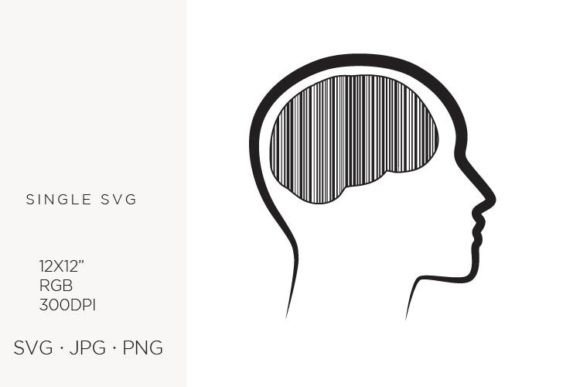
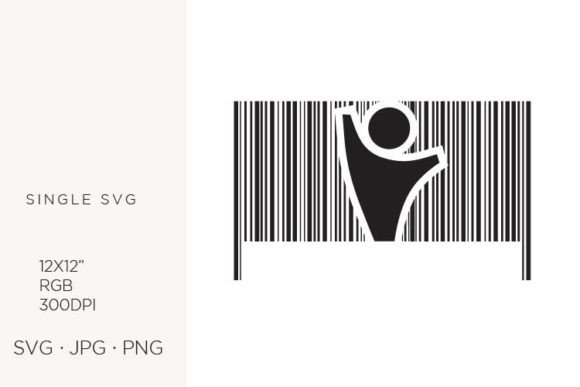
At first glance, barcodes and abstract human figures might seem like unrelated concepts. One represents cold, hard data and commercial utility, while the other suggests emotion, movement, and organic form. However, when combined in a Barcode, Abstract Human Figure, Vector composition, they create a powerful visual narrative about the modern human experience in a digital age. This juxtaposition is particularly relevant for brands and artists trying to communicate themes of identity, technology, connectivity, and consumerism.
Many designers struggle to find imagery that feels both contemporary and meaningful. Stock photos often lack uniqueness, while custom illustrations can be prohibitively expensive and time-consuming. Pre-made vector graphics offer a middle ground. They provide a professional foundation that can be customized to fit specific brand voices. The abstract nature of the human figure allows for universal interpretation, making it suitable for diverse audiences, while the barcode element adds a layer of graphical texture and modern edge.
Technical Superiority: Why Vector Formats Matter
One of the most significant advantages of using Barcode, Abstract Human Figure, Vector files is the technical flexibility they offer. Unlike raster images, which can become pixelated when resized, vector graphics are built on mathematical paths. This means you can scale your design from a tiny jewelry tag to a massive wall mural without losing any clarity. The files provided in formats such as SVG, JPG, and PNG ensure compatibility with almost any software or printing service.
The source files are crafted in Adobe Illustrator, the industry standard for vector graphics. This ensures clean lines, precise anchor points, and organized layers. For users who wish to modify the design, having the original AI or SVG file is invaluable. You can change colors to match your brand palette, adjust the thickness of the barcode lines, or reposition the abstract figure to better suit your layout. The 300 DPI resolution guarantee for the raster exports (JPG and PNG) ensures that even if you are not editing the vector path, the printed output will remain sharp and professional.
Practical Applications Across Industries
The versatility of these digital graphics allows them to be applied across a wide spectrum of projects. Here is how different users can implement these assets effectively:
- Logo Design and Branding: For tech startups, retail brands, or fashion labels, combining a barcode with an abstract human silhouette can create a memorable logo. It suggests efficiency and human-centric service. The vector format ensures the logo looks crisp on business cards, websites, and storefront signage.
- Wall Art and Home Decor: Interior designers and homeowners can use these high-resolution prints to create striking wall art. The contrast between the geometric rigidity of the barcode and the fluidity of the abstract figure adds visual interest to modern living spaces. At 12 x 12 inches and 300 DPI, these files are ready for high-quality giclée printing.
- Stationery and Invitations: Wedding planners and event coordinators can incorporate these elements into save-the-dates, invitations, and menus. The abstract nature keeps the tone sophisticated rather than overly corporate. Using the PNG format with transparency allows for easy layering over textured paper backgrounds.
- Handmade Crafts and Jewelry: Crafters using cutting machines like Cricut or Silhouette will find the SVG format particularly useful. You can cut these designs out of vinyl, cardstock, or even etch them onto metal for unique jewelry pieces. The clean paths ensure smooth cuts without jagged edges.
- Web and Graphic Design: Web developers can use the SVG files to add lightweight, scalable icons or background elements to websites. Since SVGs are code-based, they load quickly and remain sharp on retina displays, enhancing user experience without compromising site speed.
Tailoring the Approach to Your Needs
Different users will approach Barcode, Abstract Human Figure, Vector assets with different goals. A professional graphic designer might focus on deconstructing the vector paths to create a completely new composite image. They might isolate the barcode lines to use as a texture overlay or manipulate the anchor points of the human figure to change its pose. In this scenario, the Adobe Illustrator source file is the primary tool.
Conversely, a small business owner with limited design experience might prefer the drag-and-drop simplicity of the PNG or JPG files. They may use these pre-rendered images directly in Canva or Microsoft Word to create flyers, social media posts, or product labels. For this user, the value lies in the immediate usability and the professional look that requires no technical skill to achieve. The RGB color palette ensures that the colors appear vibrant on screens, which is crucial for digital marketing materials.
Maximizing Value Through Customization
To get the most out of these digital elements, consider the context in which they will be viewed. If you are designing for print, always verify that your final export settings match the 300 DPI requirement. While the source is vector, improper export settings can degrade quality. For web use, optimize the SVG file size by removing unnecessary metadata, ensuring faster load times.
Color psychology also plays a role. The default RGB palette may work for some brands, but others may need to adjust hues to align with their emotional messaging. A blue-toned barcode might convey trust and stability, while a red-toned abstract figure could suggest energy and passion. Because the files are vector-based, recoloring is a non-destructive process that takes seconds, allowing for rapid experimentation.
Conclusion
Incorporating Barcode, Abstract Human Figure, Vector graphics into your creative toolkit offers a blend of aesthetic appeal and technical reliability. Whether you are designing a logo, creating handmade cards, or developing web assets, these files provide the flexibility and quality needed to stand out in a crowded marketplace. By understanding the strengths of vector formats and the symbolic power of combining data-driven and human-centric imagery, you can create designs that are not only visually striking but also deeply resonant with your audience. Embrace the versatility of these assets to streamline your workflow and elevate the professional quality of your projects.