Barcode, Human Brain, Vector: Mastering High-Resolution Digital Assets for Creative Projects
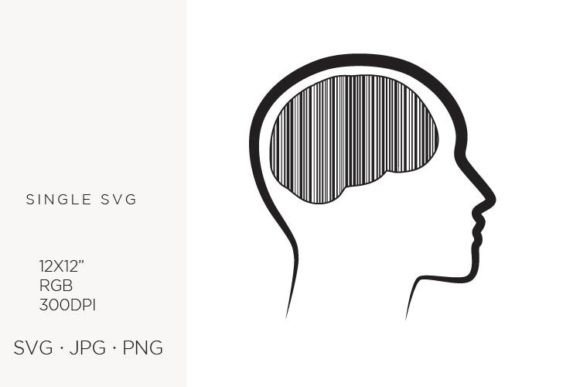
In the rapidly evolving landscape of digital design, the intersection of technology and biology offers a striking visual metaphor. Combining a Barcode with a Human Brain in a Vector format creates a powerful symbol for data processing, artificial intelligence, and modern identity. However, many creators rush into using these graphics without understanding the technical nuances that separate amateur outputs from professional-grade assets. Whether you are designing a logo for a tech startup or creating intricate wall art, the quality of your source file dictates the success of your final product.
This guide explores the critical details often overlooked when working with high-resolution digital elements. By understanding the specific requirements of vector programs like Adobe Illustrator and the importance of proper file formats, you can avoid common pitfalls that compromise quality, usability, and brand perception.
Understanding the Technical Foundation
Before diving into design applications, it is essential to grasp what makes these specific files valuable. The assets in question are crafted in Adobe Illustrator, ensuring they are true vectors. Unlike raster images, which rely on pixels, vectors use mathematical paths. This means your Barcode and Human Brain illustration can be scaled infinitely without losing sharpness.
The specifications matter immensely here. With an artboard size of 12 x 12 inches and a resolution of 300 DPI in the RGB color palette, these files are optimized for both digital display and high-quality printing. The RGB palette ensures vibrant colors on screens, while the 300 DPI baseline guarantees that when converted for print, the details remain crisp. Ignoring these specifications can lead to blurry prints or muted colors, undermining the professional look you aim to achieve.
Common Mistakes in File Selection and Usage
Many beginners and even some experienced designers make critical errors when downloading and implementing these graphic elements. Recognizing these mistakes early can save time, money, and frustration.
Mistake 1: Confusing File Formats
One of the most frequent errors is treating all file types as equal. You will typically receive SVG, JPG, and PNG files. Each serves a distinct purpose:
- SVG (Scalable Vector Graphics): This is your primary working file for web design and scalable logos. It retains the vector properties, allowing you to edit paths and colors in software like Illustrator.
- PNG (Portable Network Graphics): Ideal for digital mockups, presentations, and web use where transparency is needed. However, it is a raster format, meaning it cannot be scaled up indefinitely without pixelation.
- JPG (Joint Photographic Experts Group): Best for quick previews or social media posts where file size is a concern. It does not support transparency and compresses image data, which can introduce artifacts around sharp lines like barcodes.
Using a JPG for a large-format print banner will result in a blurry, unprofessional image. Always start with the SVG or the original Illustrator file for any significant design work.
Mistake 2: Neglecting Color Profile Compatibility
Since these files are provided in the RGB color palette, they are optimized for screens. A common oversight occurs when designers send RGB files directly to a commercial printer without converting them to CMYK. While modern printers are better at handling RGB, the colors may shift unexpectedly. Vibrant neon blues might appear duller in print. To avoid this, always check with your print provider or convert your document color mode in Illustrator before finalizing print-ready PDFs.
Mistake 3: Overlooking Editability
Because these elements are made in a vector program, they are fully editable. Yet, many users treat them as static images. You can change the color of the brain to match your brand identity, adjust the thickness of the barcode lines, or integrate the graphic into a larger composition. Failing to utilize this flexibility limits your creative potential and forces you to search for new assets when minor tweaks would have sufficed.
Practical Applications and Better Approaches
Once you understand the technical basics, you can leverage these assets across a wide range of projects. Here is how to apply them effectively while avoiding quality degradation.
Branding and Logo Design
For entrepreneurs and small business owners, the Barcode and Human Brain motif is perfect for companies involved in data analytics, AI development, or cybersecurity. When creating a logo, use the SVG file. Ensure you simplify the design if necessary; complex vectors can sometimes cause issues with embroidery or small-scale printing. Test your logo at various sizes, from a favicon to a billboard, to ensure legibility.
Printed Materials and Stationery
Creators making handmade cards, invitations, or stationery should utilize the high-resolution capabilities of these files. Export your design from Illustrator at 300 DPI in CMYK mode for printing. The 12 x 12 artboard size provides ample space for adding text, borders, and other decorative elements. For party decor or announcements, consider using metallic inks or embossing techniques to highlight the barcode texture, adding a tactile dimension to the visual concept.
Digital and Web Design
Bloggers and web designers can use the PNG or SVG formats for headers, blog post illustrations, or icons. SVGs are particularly advantageous for web performance because they are lightweight and scale perfectly on retina displays. Ensure you optimize the SVG code by removing unnecessary metadata to keep page load times fast.
What to Check Before You Buy or Download
To ensure you are getting the best value and usability from your digital graphics, perform these checks before committing to a purchase or download:
- Verify Vector Authenticity: Confirm that the file is truly vector-based. Open the SVG in a viewer or Illustrator. If you can select individual paths and nodes, it is a genuine vector. If it behaves like a single flat image, it may just be a vector-wrapped raster image, which defeats the purpose.
- Check Layer Organization: Well-made Illustrator files have organized layers. This makes editing significantly easier. Look for files where the brain and barcode are on separate layers or groups.
- Review License Terms: Ensure the license covers your intended use, whether it is for personal handmade crafts, commercial client work, or mass-produced items. Some licenses restrict the number of physical copies you can sell.
- Assess Complexity: For simple applications like jewelry engraving or small stickers, overly complex vectors may not translate well. Check if the design can be simplified without losing its core message.
Maximizing Satisfaction and Quality
Ultimately, the goal is to create work that resonates with your audience and reflects professionalism. By respecting the technical specifications of your Barcode, Human Brain, Vector assets, you ensure consistency across all platforms. Whether you are a freelancer delivering a brand package or a hobbyist creating unique holiday cards, attention to detail separates good design from great design.
Remember, the tools are only as good as the user’s understanding of them. Take the time to learn the basics of Adobe Illustrator, understand the difference between RGB and CMYK, and choose the right file format for each specific task. This proactive approach minimizes errors, reduces revision cycles, and enhances the overall quality of your creative output. Embrace the versatility of these digital elements, and let them serve as a foundation for innovative and impactful designs.