Mastering the Geometric Pattern Apple Fruit Design for Professional Creative Projects
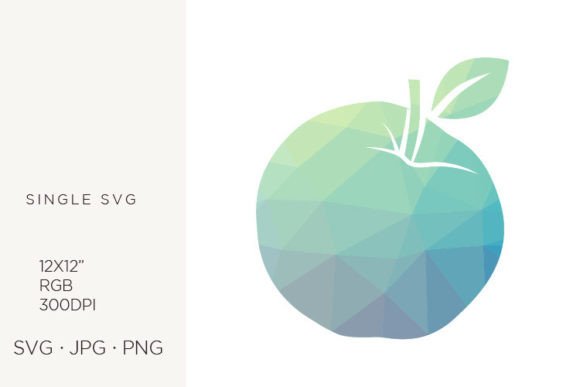
In the evolving landscape of digital design, the fusion of organic shapes with structured mathematics creates a visual language that is both modern and timeless. The Geometric Pattern Apple Fruit concept represents this intersection perfectly. It is not merely a clipart image; it is a versatile design asset that bridges the gap between rustic charm and contemporary minimalism. For creators ranging from hobbyist crafters to seasoned graphic designers, understanding how to leverage this specific aesthetic can significantly elevate the quality of their output. However, many users approach these digital assets with misconceptions about file formats, resolution limits, and color management, leading to frustrating results in print and web applications.
This guide aims to correct common pitfalls associated with using vector-based fruit illustrations. By understanding the technical nuances of SVG artwork, you can ensure your projects—from logo designs to large-format wall art—maintain crisp edges and vibrant colors regardless of scale.
Understanding the Versatility of Vector-Based Fruit Illustrations
The appeal of a Geometric Pattern Apple Fruit lies in its adaptability. Unlike traditional hand-drawn sketches that may appear messy or inconsistent, geometric interpretations offer clean lines and balanced symmetry. This makes them ideal for branding, where clarity is paramount. Whether you are designing a logo for an organic juice bar, creating invitations for a harvest-themed wedding, or producing stationery for a school fundraiser, this style communicates freshness and precision simultaneously.
These digital graphics elements are not limited to screen use. They serve as the foundation for tangible products. You can apply them to handmade craft items, printed paper goods, and party decor. The key to unlocking this potential lies in the source files. High-quality assets typically come in a zip file containing multiple formats: an SVG for scalability, a JPG for quick previews, and a PNG with a transparent background for layering. Knowing when to use each format is the first step toward professional-grade results.
Common Mistakes in File Selection and Usage
One of the most frequent errors creators make is ignoring the distinction between raster and vector files. Many beginners download the JPG version of a design and attempt to enlarge it for a poster or banner. Because JPGs are pixel-based, enlarging them beyond their original dimensions results in blurriness and pixelation. This severely impacts the perceived quality of your work, making it look amateurish.
Another overlooked detail is the color palette. The provided assets often utilize the RGB color mode, which is optimized for screens. If you intend to print physical items like invitation cards or announcements, relying solely on RGB values without converting to CMYK can lead to dull or inaccurate colors in the final product. While the files are made in Adobe Illustrator, a vector program, the end-user must understand how their printing method interacts with these colors.
Furthermore, many users fail to utilize the transparent PNG effectively. When placing a geometric apple over a textured background for a web design project, using a JPG with a white background creates an unsightly box around the fruit. This breaks the visual flow and requires extra editing time to remove. The PNG file included in the package solves this issue instantly, yet it is often ignored in favor of the more universally compatible but less flexible JPG.
Impact on Quality and Efficiency
These technical missteps have real consequences. Using low-resolution images for printed paper items wastes money on reprints. Poor color management leads to brand inconsistency, which can confuse customers and dilute marketing efforts. In web design, improper file choices can slow down loading times if large, uncompressed files are used where lightweight SVGs would suffice.
Efficiency is also compromised. Spending hours trying to manually trace a pixelated image in design software is unnecessary when a scalable SVG is already available. The SVG file allows you to change colors, adjust anchor points, and resize the artwork infinitely without loss of quality. This flexibility is crucial for entrepreneurs and freelancers who need to adapt a single design across various mediums, from business cards to large signage.
Practical Advice for Optimal Results
To avoid these issues, start by evaluating your project’s end goal. If you are creating a logo or a design that needs to be scaled to different sizes, always prioritize the SVG file. Open it in a vector editing program like Adobe Illustrator, Inkscape, or Affinity Designer. Here, you can customize the geometric patterns, perhaps simplifying the lines for a more minimalist look or adding texture for a rustic feel.
For web designers and bloggers, the SVG format is superior for performance and clarity. It ensures that your Geometric Pattern Apple Fruit looks sharp on high-resolution retina displays. If your platform does not support SVG uploads, use the PNG file with a transparent background. Ensure you are using the 300 DPI version for any high-quality digital mockups, though note that screen display typically renders at 72 DPI; the higher resolution ensures clarity if the image is zoomed or used in hybrid digital-print contexts.
When preparing for print, such as creating handmade cards or party decor, check the resolution requirements. The included JPG and PNG files are provided at 300 DPI, which is the standard for high-quality printing. However, always verify the color profile. If your printer requires CMYK, convert your files before sending them to press. Test print a small section to ensure the geometric lines remain crisp and the apple’s colors remain vibrant.
What to Check Before Downloading or Buying
Before committing to a digital asset, verify the artboard size and resolution. A 12x12 inch artboard at 300 DPI provides a substantial canvas for detailed work. This size is particularly useful for scrapbooking, square social media posts, and textile prints. Ensure the zip file includes all necessary formats: SVG for editing, JPG for reference, and PNG for transparency.
Additionally, consider the complexity of the geometric pattern. Simple designs are easier to cut with vinyl cutters for handmade crafts, while complex patterns may require more advanced weeding techniques. If you are a beginner, start with simpler geometric interpretations of the apple fruit. As you gain confidence, you can explore more intricate vector paths.
Finally, review the license terms. While many assets allow for commercial use in logos and printed items, some may have restrictions on reselling the digital file itself. Understanding these boundaries protects your business and respects the creator’s rights.
Enhancing Your Creative Workflow
Integrating the Geometric Pattern Apple Fruit into your workflow should streamline your creative process, not complicate it. By choosing the right file format for the right task, you save time and improve quality. Use the vector capabilities to experiment with color variations that match your brand identity. Layer the transparent PNGs over photographic backgrounds for dynamic social media graphics. Print the high-resolution JPGs on premium cardstock for elegant invitations.
Remember, the tool is only as good as the user’s understanding of it. Take the time to learn the basics of vector editing and color management. This knowledge empowers you to transform a simple digital download into a standout piece of art, whether it appears on a website, a product label, or a handmade gift. With the right approach, this geometric apple design becomes a versatile staple in your creative toolkit, offering endless possibilities for innovation and expression.