Mastering Abstract Fishes, Geometric Vector Art for Professional Design Projects
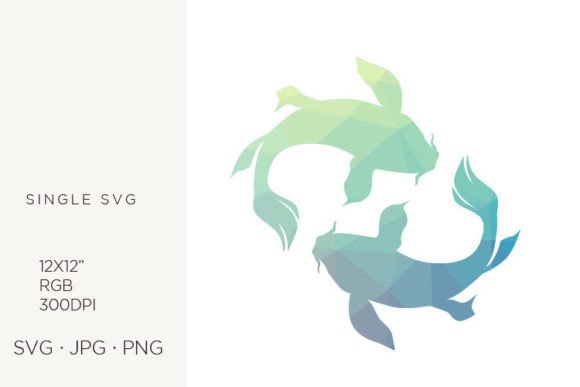
In the rapidly evolving world of digital design, finding assets that balance artistic flair with technical precision can be a challenge. Abstract Fishes, Geometric Vector artwork represents a unique intersection where organic inspiration meets mathematical structure. This specific style of digital graphic is not merely decorative; it serves as a versatile foundation for a wide array of creative applications. From branding identities to home decor, these elements offer designers and hobbyists alike a robust toolkit for visual storytelling. However, the ease of access to such files often leads to overlooked details that can compromise the final output.
Understanding the nuances of vector-based geometric art is essential for anyone looking to integrate these designs into their workflow. Whether you are a seasoned graphic designer using Adobe Illustrator or a small business owner creating handmade cards, knowing how to properly utilize these assets ensures professional results. The following insights will help you navigate common pitfalls and maximize the potential of your digital downloads.
The Versatility of Geometric Marine Motifs
The appeal of abstract fish designs lies in their adaptability. Unlike realistic illustrations, geometric vectors rely on shapes, lines, and angles to suggest form. This stylization allows the artwork to fit seamlessly into modern, minimalist, or tech-forward aesthetics. When you download a package containing SVG, JPG, and PNG files, you are acquiring a multi-purpose asset. The SVG file is particularly valuable because it remains crisp at any size, making it ideal for large-format printing like wall art or scalable logo design.
Many creators underestimate the range of products they can develop with a single 12x12 inch artboard design. Consider the possibilities: printed paper items, stationery, invitation cards, and party decor all benefit from the clean lines of geometric patterns. For web designers, the transparent background PNG offers immediate usability without the need for complex editing. By recognizing the inherent flexibility of these files, you can expand your product offerings or enhance your personal projects with minimal extra effort.
Common Missteps in File Selection and Usage
One of the most frequent errors beginners make is ignoring the specific file formats included in a download. A typical package might include an SVG, a high-resolution JPG, and a transparent PNG. Using the JPG for a logo that needs to be placed over colored backgrounds is a critical mistake. The white background embedded in a JPEG cannot be easily removed without losing quality, whereas the SVG or PNG provides the necessary transparency or scalability. This oversight often leads to amateurish presentations in marketing materials or web design.
Another common misunderstanding involves resolution and color profiles. While the provided files are optimized at 300 DPI in RGB, this setup is perfect for digital screens and most home printers. However, if you intend to send your design to a professional offset printer for large batches of stationery, you may need to convert the color palette to CMYK. Failing to check this requirement can result in colors appearing duller or shifted in the final print run. Always verify the printing specifications of your vendor before finalizing your design.
Overlooking Scalability and Editing Potential
Since these files are created in vector programs like Adobe Illustrator, they are fully editable. Yet, many users treat them as static images. This is a missed opportunity. You can adjust anchor points, change colors to match your brand identity, or simplify complex geometric shapes for better visibility at smaller sizes. For instance, when using the design for a favicon or a small social media icon, simplifying the geometric details ensures the image remains recognizable. Ignoring the editable nature of the SVG limits your ability to customize the asset truly.
Furthermore, some creators fail to maintain the aspect ratio when resizing. Because the artboard is 12x12 inches, it is square. Stretching the image to fit a rectangular banner distorts the geometric integrity of the fish shapes, making them look unprofessional. Always constrain proportions when resizing, or use the vector software to crop and rearrange elements rather than stretching them. This preserves the aesthetic balance that makes geometric art appealing.
Best Practices for Integrating Vector Assets
To avoid these issues, start by organizing your digital library. Keep the original SVG files separate from any exported versions. This ensures you always have a master copy that retains full editability. When beginning a new project, such as designing announcement cards or handmade craft items, import the SVG directly into your design software. This allows you to manipulate individual components of the abstract fish, such as changing the color of specific triangles or lines to create depth and interest.
For those using the JPG or PNG files, ensure you are working at the correct dimensions. Since the source is 300 DPI, you have high-quality resolution for print. If you are creating web graphics, consider exporting smaller versions to optimize loading times without sacrificing clarity. Testing your design on different devices and print samples is crucial. What looks sharp on a monitor may reveal jagged edges or color banding when printed on textured paper used for invitations.
Evaluating Quality Before Purchase
Before downloading or purchasing any digital graphic element, inspect the preview images closely. Look for clean lines and consistent spacing in the geometric patterns. Poorly constructed vectors may have overlapping paths or unnecessary anchor points, which can cause issues when cutting with vinyl plotters for handmade crafts. A well-made SVG file should be organized with logical layer names and grouped elements, facilitating easier editing.
Additionally, check the license terms. While many assets allow for commercial use in items like party decor and graphic design, some may restrict resale of the digital file itself. Understanding these boundaries protects your business and respects the creator’s rights. By choosing high-quality, well-structured files like the Abstract Fishes, Geometric Vector set, you invest in efficiency and professional outcomes.
In conclusion, leveraging geometric vector art requires attention to detail and an understanding of technical specifications. By avoiding common mistakes related to file formats, resolution, and editing, you can unlock the full potential of these versatile designs. Whether you are crafting handmade cards or developing a corporate logo, the right approach ensures your work stands out with clarity and style. Embrace the precision of vector graphics and let your creativity flow within the structured beauty of abstract forms.